language
English
العربية
বাংলাদেশ
Български
Hrvatski
Česky
Dansk
Nederland
 Esperanto
Slovenski
Filipino
Suomi
Français
Maori
 Shqiptare
Georgian
 Euskara
Deutsch
Ελλάδα
ישראל
इंडिया
Magyarország
Ísland
Indonesia
Irlanda
Italia
日本語
Sovensko
Հայաստան
한국
Kyrgyz
ປະເທດລາວ
 Zulu
Zulu
Latvian
Lithuanian
Luxembourgish
 Latinus
Macedonian
Малайская
Maltese
Монгол улс
 Cymraeg
ဗမာ
 தமிழ்
தமிழ்
नेपाल
Norge
ایران
Polska
Portugal
România
Российская
Србија
 Slovak
Србија
 Slovak
Bosanski
Slovenian
Беларус
España
Sverige
Точик
ประเทศไทย
Türk
Azərbaycan
Uzbek
 Afrikaans
Việt Nam
Unveiling the Versatility of Stainless Steel Wire: A Comprehensive Guide
Time:
2024-04-01
**Introduction**
Stainless steel wire is a versatile material that has become a staple in the construction and decor materials industry. Its unique properties make it an ideal choice for a wide range of applications, from fencing and mesh to art installations and jewelry. In this comprehensive guide, we will delve into the various uses of stainless steel wire and explore its benefits and advantages.
**Benefits of Stainless Steel Wire**
Stainless steel wire is known for its durability, corrosion resistance, and strength. Unlike other materials, stainless steel wire does not rust, making it ideal for outdoor applications such as fencing and mesh. Its strength and flexibility also make it perfect for intricate designs and structures, making it a popular choice for art installations and sculptures.
**Applications of Stainless Steel Wire**
Stainless steel wire is used in a variety of industries, from construction and architecture to jewelry making and automotive. In construction, stainless steel wire is often used for reinforcement in concrete structures, as well as for fencing and railing. In architecture, stainless steel wire is used for decorative purposes, such as balustrades and facades. In the automotive industry, stainless steel wire is used for components such as springs and clips.
**Types of Stainless Steel Wire**
There are various types of stainless steel wire available, each with its own unique properties and characteristics. Some common types include 304 stainless steel wire, which is known for its corrosion resistance and versatility, and 316 stainless steel wire, which is ideal for marine applications due to its increased resistance to corrosion.
**FAQs**
1. What are the advantages of stainless steel wire?
Stainless steel wire is durable, corrosion-resistant, and strong, making it ideal for a wide range of applications.
2. What are the common uses of stainless steel wire?
Stainless steel wire is used in construction, decor materials, jewelry making, and automotive industries, among others.
3. What types of stainless steel wire are available?
Common types include 304 stainless steel wire and 316 stainless steel wire, each with its own unique properties.
4. Is stainless steel wire suitable for outdoor applications?
Yes, stainless steel wire does not rust, making it ideal for outdoor use such as fencing and mesh.
5. What are the benefits of using stainless steel wire in construction?
Stainless steel wire is strong, flexible, and durable, making it ideal for reinforcement in concrete structures and other construction applications.
**Conclusion**
In conclusion, stainless steel wire is a versatile and durable material that offers endless possibilities in the construction and decor materials industry. Its unique properties make it an ideal choice for a wide range of applications, from fencing and mesh to art installations and jewelry. By understanding the benefits and advantages of stainless steel wire, you can unleash its full potential in your next project.
Stainless steel wire is a versatile material that has become a staple in the construction and decor materials industry. Its unique properties make it an ideal choice for a wide range of applications, from fencing and mesh to art installations and jewelry. In this comprehensive guide, we will delve into the various uses of stainless steel wire and explore its benefits and advantages.
**Benefits of Stainless Steel Wire**
Stainless steel wire is known for its durability, corrosion resistance, and strength. Unlike other materials, stainless steel wire does not rust, making it ideal for outdoor applications such as fencing and mesh. Its strength and flexibility also make it perfect for intricate designs and structures, making it a popular choice for art installations and sculptures.
**Applications of Stainless Steel Wire**
Stainless steel wire is used in a variety of industries, from construction and architecture to jewelry making and automotive. In construction, stainless steel wire is often used for reinforcement in concrete structures, as well as for fencing and railing. In architecture, stainless steel wire is used for decorative purposes, such as balustrades and facades. In the automotive industry, stainless steel wire is used for components such as springs and clips.
**Types of Stainless Steel Wire**
There are various types of stainless steel wire available, each with its own unique properties and characteristics. Some common types include 304 stainless steel wire, which is known for its corrosion resistance and versatility, and 316 stainless steel wire, which is ideal for marine applications due to its increased resistance to corrosion.
**FAQs**
1. What are the advantages of stainless steel wire?
Stainless steel wire is durable, corrosion-resistant, and strong, making it ideal for a wide range of applications.
2. What are the common uses of stainless steel wire?
Stainless steel wire is used in construction, decor materials, jewelry making, and automotive industries, among others.
3. What types of stainless steel wire are available?
Common types include 304 stainless steel wire and 316 stainless steel wire, each with its own unique properties.
4. Is stainless steel wire suitable for outdoor applications?
Yes, stainless steel wire does not rust, making it ideal for outdoor use such as fencing and mesh.
5. What are the benefits of using stainless steel wire in construction?
Stainless steel wire is strong, flexible, and durable, making it ideal for reinforcement in concrete structures and other construction applications.
**Conclusion**
In conclusion, stainless steel wire is a versatile and durable material that offers endless possibilities in the construction and decor materials industry. Its unique properties make it an ideal choice for a wide range of applications, from fencing and mesh to art installations and jewelry. By understanding the benefits and advantages of stainless steel wire, you can unleash its full potential in your next project.
keyword:
Stainless steel wire
Share the

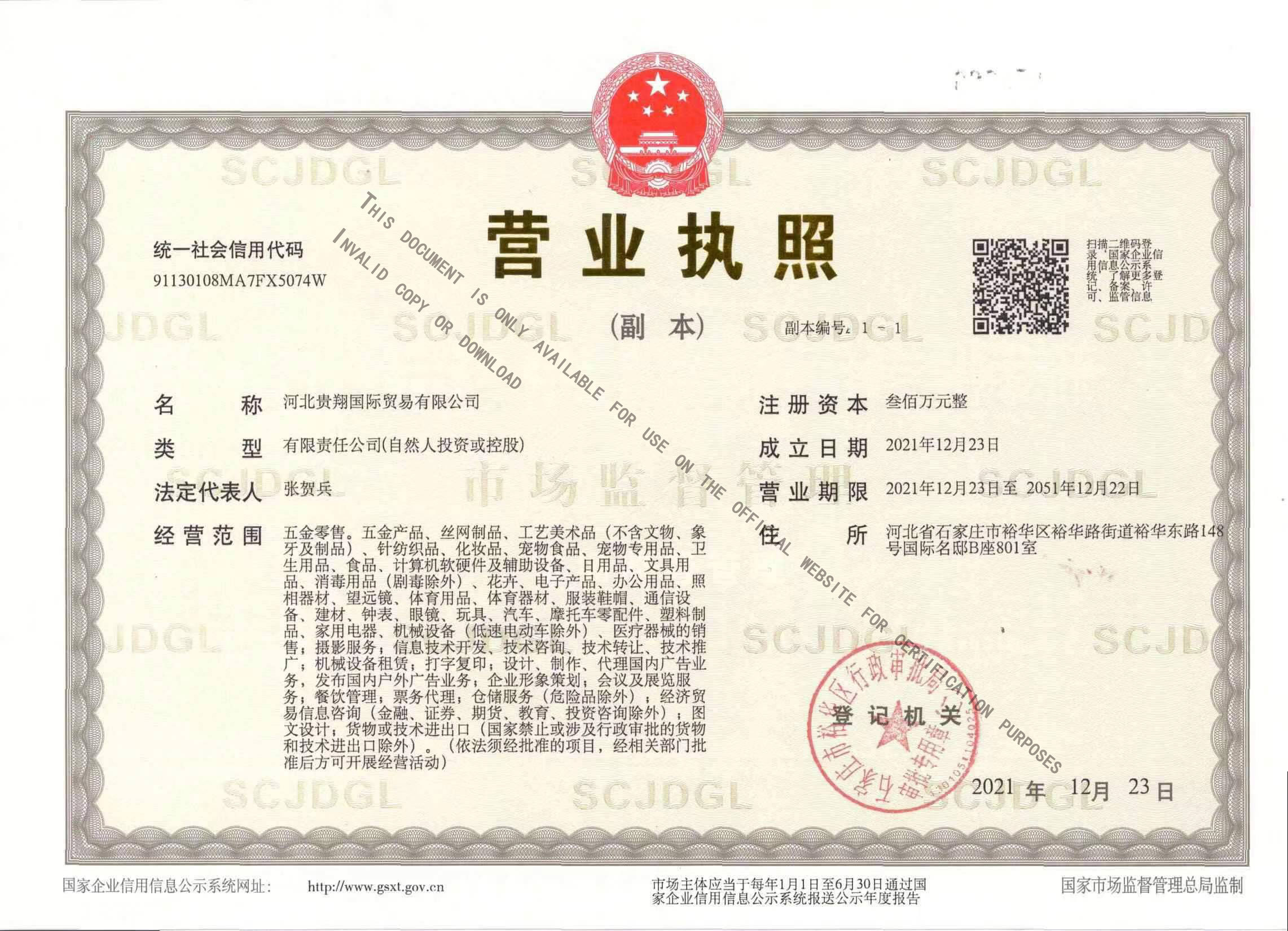
Hebei Guixiang International Trade Co., Ltd.
Add: Room 801, Building B, International Famous Residence, No. 148 Yuhua East Road
Zip code: 050000
Tel: +86-18331833286
Email: sales@gxwiremesh.com
Keywords: Welded Wire Mesh Supplier | Welded Wire Mesh Supplier | Welded Wire Mesh Supplier |
Welded Wire Mesh Supplier | Welded Wire Mesh Supplier
Wholesale Chain Link Fence | Wholesale Chain Link Fence | Wholesale Chain Link Fence |
Wholesale Chain Link Fence | Wholesale Chain Link Fence
Copyright © 2022 Hebei Guixiang International trade Ltd.
Powered by : 300.cn | SEO | City list | Business License