 Esperanto
 Shqiptare
 Euskara
 Zulu
Zulu
 Latinus
 Cymraeg
 தமிழ்
தமிழ்
 Slovak
 Slovak
 Afrikaans
Steel Grating vs. Stone Grating: Choosing the Right Solution for Durability, Safety, and Design
Time:
2025-05-22
When selecting grating for industrial, commercial, or architectural projects, the debate between steel and stone materials is critical. Each offers distinct advantages and limitations, making them suitable for different applications. Below, we break down their key differences to help you make an informed choice.

1. Material Properties & Performance
☞ Steel Grating
✿ Strength & Load Capacity:
▶ Handles heavy loads (up to 40+ tonnes for reinforced options).
▶ Ideal for industrial platforms, bridges, and high-traffic zones.
▶ Types: Stainless, galvanized, aluminum, and mild steel.
✿ Durability:
▶ Resists pests, rot, and extreme weather.
▶ Stainless steel offers superior corrosion resistance but at a higher cost.
✿ Drawbacks:
▶ Prone to rust (except stainless/galvanized).
▶ Slippery when wet; requires added textures.
▶ High heat absorption affects comfort in outdoor spaces.
☞ Stone Grating
✿ Aesthetic Versatility:
▶ Mimics natural stone (granite, slate) or custom designs.
▶ Ideal for luxury developments, historic sites, and urban landscapes.

✿ Safety & Comfort:
▶ Naturally slip-resistant, even when wet.
▶ Low heat retention for pedestrian-friendly surfaces.
✿ Reinforced Stone (e.g., Jonite):
▶ Combines natural stone aggregates with polymers.
▶ Load capacity up to 40 tonnes (vehicular traffic).
▶ Customizable colors, textures, and geometric shapes.
2. Cost & Sustainability
| Factor | Steel Grating | Stone Grating |
|---|---|---|
| Initial Cost | Low (mild steel) to High (stainless) | Moderate (cast stone) to High (natural/reinforced) |
| Maintenance | Regular anti-rust treatments needed | Minimal; resistant to weathering |
| Recyclability | 90% global recycling rate | Limited recycling (except reinforced stone) |
| Lifespan | 20–30+ years (galvanized/stainless) | 50+ years (reinforced stone) |
3. Applications & Use Cases
✿ Best for Steel Grating:
▶ Industrial Zones: Oil rigs, chemical plants, warehouses.
▶ High-Traffic Areas: Pedestrian bridges, mezzanines, drainage covers.
▶ Budget Projects: Mild steel for temporary sites or non-corrosive environments.
✿ Best for Stone Grating:
▶ Luxury & Aesthetic Projects: Resorts, historic restorations, high-end retail.
▶ Public Spaces: Parks, plazas, water features (slip resistance critical).
▶ Hybrid Solutions: Reinforced stone for driveways, pool surrounds, and heavy-load zones.
4. Safety & Compliance
Steel:
Complies with ANSI/NAAMM MBG 531 for structural safety.
Requires added anti-slip surfaces (serrated or grit-coated).
Stone:
Meets ISO 14122 standards for slip resistance.
Non-conductive and heat-resistant for poolside or coastal areas.
5. Theft & Long-Term Risks
Steel: High theft risk due to scrap value.
Stone: Minimal theft appeal; ideal for public or unattended areas.
6. Design Flexibility
Steel: Limited aesthetics (industrial look). Customizable only in size/coating.
Stone:
▶ Endless design options: Curves, intricate patterns, color matching.
▶ Mimics natural stone or modern composites (e.g., terrazzo).
Final Recommendation
Choose Steel If:
Prioritizing strength, recyclability, and industrial use.
Budget allows for stainless/galvanized options in corrosive environments.
Choose Stone If:
Aesthetics, safety, and low maintenance are critical.
Opt for reinforced stone (e.g., Jonite) to balance load capacity and design freedom.
Explore Hybrid Solutions: Request Steel Grating Samples or Discover Reinforced Stone Grating.
keyword:
Steel grating vs stone grating durability,Slip-resistant architectural grating solutions,Cost-effective industrial steel grating
Share the

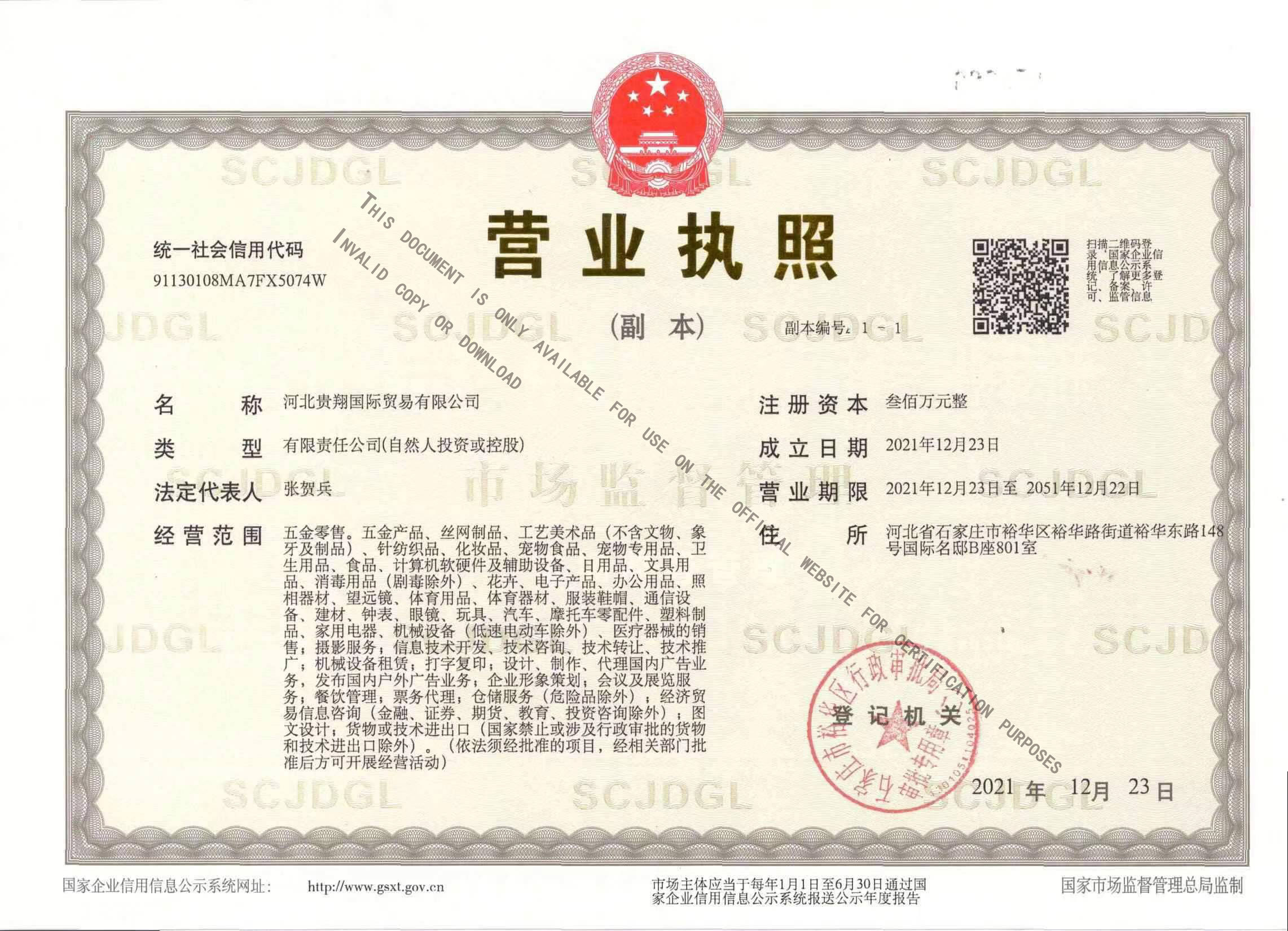
Hebei Guixiang International Trade Co., Ltd.
Add: Room 801, Building B, International Famous Residence, No. 148 Yuhua East Road
Zip code: 050000
Tel: +86-18331833286
Email: sales@gxwiremesh.com
Keywords: Welded Wire Mesh Supplier | Welded Wire Mesh Supplier | Welded Wire Mesh Supplier |
Welded Wire Mesh Supplier | Welded Wire Mesh Supplier
Wholesale Chain Link Fence | Wholesale Chain Link Fence | Wholesale Chain Link Fence |
Wholesale Chain Link Fence | Wholesale Chain Link Fence
Copyright © 2022 Hebei Guixiang International trade Ltd.
Powered by : 300.cn | SEO | City list | Business License