 Esperanto
 Shqiptare
 Euskara
 Zulu
Zulu
 Latinus
 Cymraeg
 தமிழ்
தமிழ்
 Slovak
 Slovak
 Afrikaans
Choosing the Right Fence for Your Livestock Security
Time:
2024-07-18
Livestock fencing plays a vital role in farm management. It keeps animals contained, protects them from predators, and prevents unwanted wildlife from entering the property. With a growing number of livestock, proper fencing becomes even more crucial for farm safety and productivity.

Understanding Farm Fences
Farm fences come in various types, each with its strengths and weaknesses. Here's a breakdown of key factors to consider:
- Maintenance: Factors like weather resistance and material type influence maintenance needs. For example, wood fences require more upkeep compared to wire fences due to wood rot.
- Strength: Wire fence strength is determined by wire gauge (thickness) and how wires are secured. A lower gauge number indicates thicker, stronger wire. Woven or mesh construction offers the most robust design, while welded wire fences are generally less sturdy.
- Fence Posts: Post material also impacts overall strength. Oak or pine posts add rigidity, but steel or steel-and-wood combinations are common and highly durable options.

Determining Your Fencing Needs
Choosing the right fence requires careful consideration of several factors:
- Farm size and type of operation: Costs vary depending on the size and type of your farm. Fencing a small poultry farm will be less expensive than fencing a large cattle ranch.
- Land characteristics: The size, terrain, and existing features of your property will influence fence type and cost. Fence installers consider these factors to recommend suitable materials, strength, and weatherproofing.
- Livestock type: Different animals have varying fencing needs. For instance, beef cattle require sturdier fencing than dairy cattle. Exotic animals or specific horse breeds may necessitate specialized fencing based on temperament.
- Predators in your area: Fencing should deter predators, especially if you have young or vulnerable livestock. The type of predators prevalent in your area will influence fencing requirements.
- Local fencing laws: All states have specific fencing laws for livestock. Before choosing a fence, ensure it complies with local regulations. Resources like the National Agriculture Law Center's interactive fence map can help you determine state-by-state requirements.

Common Farm Fence Options
Here's an overview of popular farm fence types:
Woven Wire Fence: This versatile option features interwoven wires secured with knots. Several variations exist for different purposes:
-
- Field Fence: A strong choice for containing large animals like hogs and cattle, typically using 12-gauge wire with heavier gauges at the top and bottom for reinforcement.
- Yard, Garden & Kennel: Ideal for small pets, gardens, or play areas, featuring light-gauge wire and a smaller grid size.
- Deer and Wildlife Fence: Designed to deter deer and other wildlife, this fence is typically taller (at least 6 feet) with smaller grid squares at the bottom.
Horse Fence: Woven tightly with a 2x4 inch or v-mesh design to prevent hooves from getting stuck and deter predators.

Electric Fence: A reliable option using electric pulses to keep animals contained and deter intruders. Electric fences can be used independently or integrated with other fence styles for enhanced security.

Wood and Vinyl Plank: Wood fences offer a traditional aesthetic but require more maintenance. Vinyl fences are a newer option with improved weather resistance.
Barbed Wire: A common choice for cattle containment, featuring multiple strands of strong wire with sharp barbs strung between posts. While effective for large spaces and docile animals, barbed wire may not deter aggressive livestock or wildlife and may be illegal in some areas. Check local regulations before using.

Welded Wire Mesh: Made by welding vertical and horizontal wires, this fence is suitable for lighter applications like poultry protection or deterring small predators.

Poultry Wire or Hexagonal Wire Mesh: Recognizable by its small diamond mesh pattern, this lightweight wire fence protects gardens and poultry enclosures from smaller predators.

Chain Link: While available, chain link fencing is generally not recommended for farms due to high maintenance needs and potential injury risks for livestock.

Consulting an Expert
Choosing the right fence is crucial for livestock health, safety, and farm security. Given the variety of options available, consulting with a fencing expert is recommended. They can help you select the most suitable fence based on your specific farm needs, livestock type, predator concerns, and local regulations. Conduct thorough research before starting your fencing project to ensure optimal farm animal safety and security.

keyword:
Previous
Share the

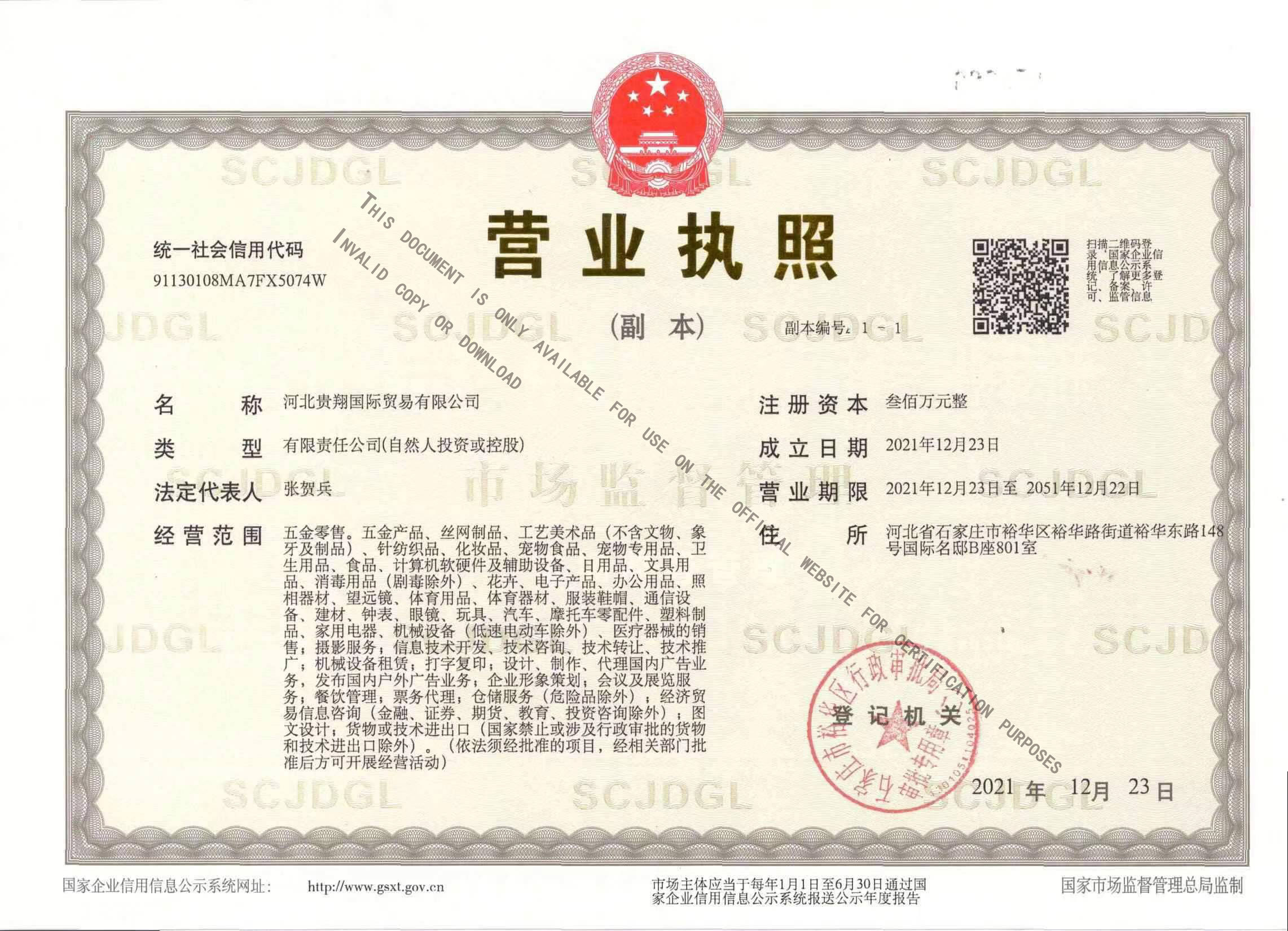
Hebei Guixiang International Trade Co., Ltd.
Add: Room 801, Building B, International Famous Residence, No. 148 Yuhua East Road
Zip code: 050000
Tel: +86-18331833286
Email: sales@gxwiremesh.com
Keywords: Welded Wire Mesh Supplier | Welded Wire Mesh Supplier | Welded Wire Mesh Supplier |
Welded Wire Mesh Supplier | Welded Wire Mesh Supplier
Wholesale Chain Link Fence | Wholesale Chain Link Fence | Wholesale Chain Link Fence |
Wholesale Chain Link Fence | Wholesale Chain Link Fence
Copyright © 2022 Hebei Guixiang International trade Ltd.
Powered by : 300.cn | SEO | City list | Business License