 Esperanto
 Shqiptare
 Euskara
 Zulu
Zulu
 Latinus
 Cymraeg
 தமிழ்
தமிழ்
 Slovak
 Slovak
 Afrikaans
Choose the Right Farm Fence for Your Animal
Time:
2025-01-06
Running a farm involves numerous responsibilities, one of which is ensuring the safety and well-being of your animals. An essential aspect of this is selecting the appropriate farm fence. The right fence not only keeps your animals secure but also protects your crops, neighbors' property, and even wildlife. With a variety of fence types available, choosing the best one for your farm can be overwhelming. Here are some considerations to help you make an informed decision.
1. Animal Behavior and Needs
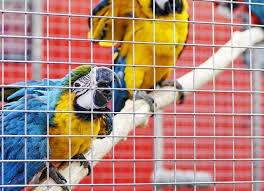
Understanding the behavior and specific needs of your animals is crucial. For instance, sheep and goats tend to be more curious and might try to climb or squeeze through fences. In such cases, a sturdy woven wire fence or a high-tensile wire fence with small openings is ideal. Cattle, on the other hand, are usually stronger . High fences can effectively deter this behavior.

Poultry require fences that prevent predators from digging under or flying over. Burying chicken wire at least a foot underground and extending it a few feet above ground can create a secure enclosure.
2. Climate and Terrain
Your farm's climate and terrain can significantly impact fence durability and effectiveness. In areas with extreme weather conditions, such as high winds or heavy snowfall, you'll need a fence that can withstand these elements. High-tensile wire fences are particularly resilient in such environments.
Uneven or sloped terrain may require custom solutions to ensure the fence remains level and secure. Flexible fencing materials like polytape or polywire can adapt to undulating landscapes more easily than rigid options.
3. Budget and Maintenance
Cost is often a primary consideration when choosing a farm fence. While some fences, like wooden post and board fences, offer a classic aesthetic and long-lasting durability, they also tend to be more expensive upfront and may require regular maintenance like painting or replacing rotten boards.
Metal fences, such as galvanized steel or aluminum, are durable and low-maintenance but can be costly depending on the size of your farm.
Conclusion
Choosing the right farm fence for your animals involves a careful balance of functionality, durability, cost. By considering the specific needs of your animals, the climate and terrain of your farm, your budget and maintenance capabilities, you can select a fence that not only keeps your animals safe but also adds value to your farm. Remember, the right fence is an investment in the long-term success and enjoyment of your farming operation.
keyword:
farm fence
Share the

Hebei Guixiang International Trade Co., Ltd.
Add: Room 801, Building B, International Famous Residence, No. 148 Yuhua East Road
Zip code: 050000
Tel: +86-18331833286
Email: sales@gxwiremesh.com
Keywords: Welded Wire Mesh Supplier | Welded Wire Mesh Supplier | Welded Wire Mesh Supplier |
Welded Wire Mesh Supplier | Welded Wire Mesh Supplier
Wholesale Chain Link Fence | Wholesale Chain Link Fence | Wholesale Chain Link Fence |
Wholesale Chain Link Fence | Wholesale Chain Link Fence
Copyright © 2022 Hebei Guixiang International trade Ltd.
Powered by : 300.cn | SEO | City list | Business License