 Esperanto
 Shqiptare
 Euskara
 Zulu
Zulu
 Latinus
 Cymraeg
 தமிழ்
தமிழ்
 Slovak
 Slovak
 Afrikaans
Chain Link Fencing: A Synergy of Flexibility, Strength, and Technological Precision
Time:
2025-05-23
Chain link fencing, a metal mesh material blending flexibility and robustness, derives its protective performance directly from the precision of its weaving craftsmanship. This seemingly simple lattice structure embodies a deep integration of materials science, mechanical principles, and advanced manufacturing techniques. From material selection to weaving, surface treatment, and installation, every stage demands meticulous control to produce high-performance protective barriers tailored for diverse applications.

1. Material Selection: The Delicate Balance of Strength and Ductility
- Key Materials:
- Low-carbon steel wire (0.06%-0.25% carbon) for balance of strength and flexibility.
- 304 stainless steel (18% Cr/8% Ni) for corrosion resistance in coastal areas.
- Galfan (zinc-aluminum alloy) coatings for 3x longer lifespan vs. traditional galvanizing.
- Titanium alloy memory wires for extreme temperatures (-50°C to 300°C).
- Diameter Rules:
- Thicker wires (4.0-6.0mm) for mining/rockfall protection.
- Thinner wires (2.0-3.0mm) for sports fields and aesthetics.
2. Weaving Technology: Harmonizing Automation with Artisan Expertise
- Automation + Human Expertise:
- CNC machines bend wires into 120°±5° curves for optimal impact dispersion.
- Automatic weavers create 60-80 nodes/minute with ±5N tension control.
- Advanced Designs:
- 60° rhombic mesh angles absorb energy during stress.
- Military-grade "double-node" weaving boosts tensile strength by 80%.
- 3D helical weaving (6-axis machines) eliminates weak joints.
3. Surface Engineering: The Invisible Armor of Advanced Coatings
- Coating Innovations:
- Hot-dip galvanizing (450°C zinc bath, 80μm+ coating).
- Nano-ceramic coatings (200% better acid/alkali resistance).
- Self-healing coatings (microcapsules repair cracks automatically).
- Eco-Friendly Options:
- UV-resistant powder coatings (15-year color retention).
4. Structural Innovation: Beyond Flat Surfaces to 3D Protection
- Smart Designs:
- Prestressed tensioning (1.5-3% pre-strain) resists wind/fatigue.
- Wire-rope core mesh (7×7-strand cables) for 50kJ+ impact resistance.
- Composite barriers (polycarbonate + mesh) for visibility and safety.
- Future Tech:
- Smart mesh with embedded sensors (detects deformation, triggers alerts).
5. Rigorous Testing: From Lab Bench to Real-World Validation
Quality assurance follows a three-tier testing regime:
- Lab trials: 500-hour salt spray, -40°C impact resistance
- Simulation: 10m free-fall tests with 50kg/30cm iron spheres
- Field trials: 12-month environmental exposure assessments
Certification standards grow stricter: EU CE marking requires 10-year accelerated aging data, while ASTM F2413 mandates multi-directional fatigue testing (100,000 cycles). These benchmarks necessitate full lifecycle traceability systems, with QR codes linking every product to its raw material batches and production teams.
6. Tailored Solutions: Engineering for Specific Challenges
Applications drive specialized designs:
- Sports venues: 45×45mm mesh prevents ball lodging
- Zoos: 8mm wires + 50×150mm openings balance safety and visibility
- Solar farms: Anti-glare coatings reduce light reflection to <15%, mitigating residential light pollution
Final Takeaway
Chain-link fencing has evolved from a basic mesh into a high-tech solution blending materials science, robotics, and IoT. By focusing on customization, durability, and smart features, modern designs address niche challenges while meeting stringent global standards.
keyword:
chain link fencing materials,corrosion resistant mesh,Galfan coating,chain link weaving process,impact resistant fencing
Share the

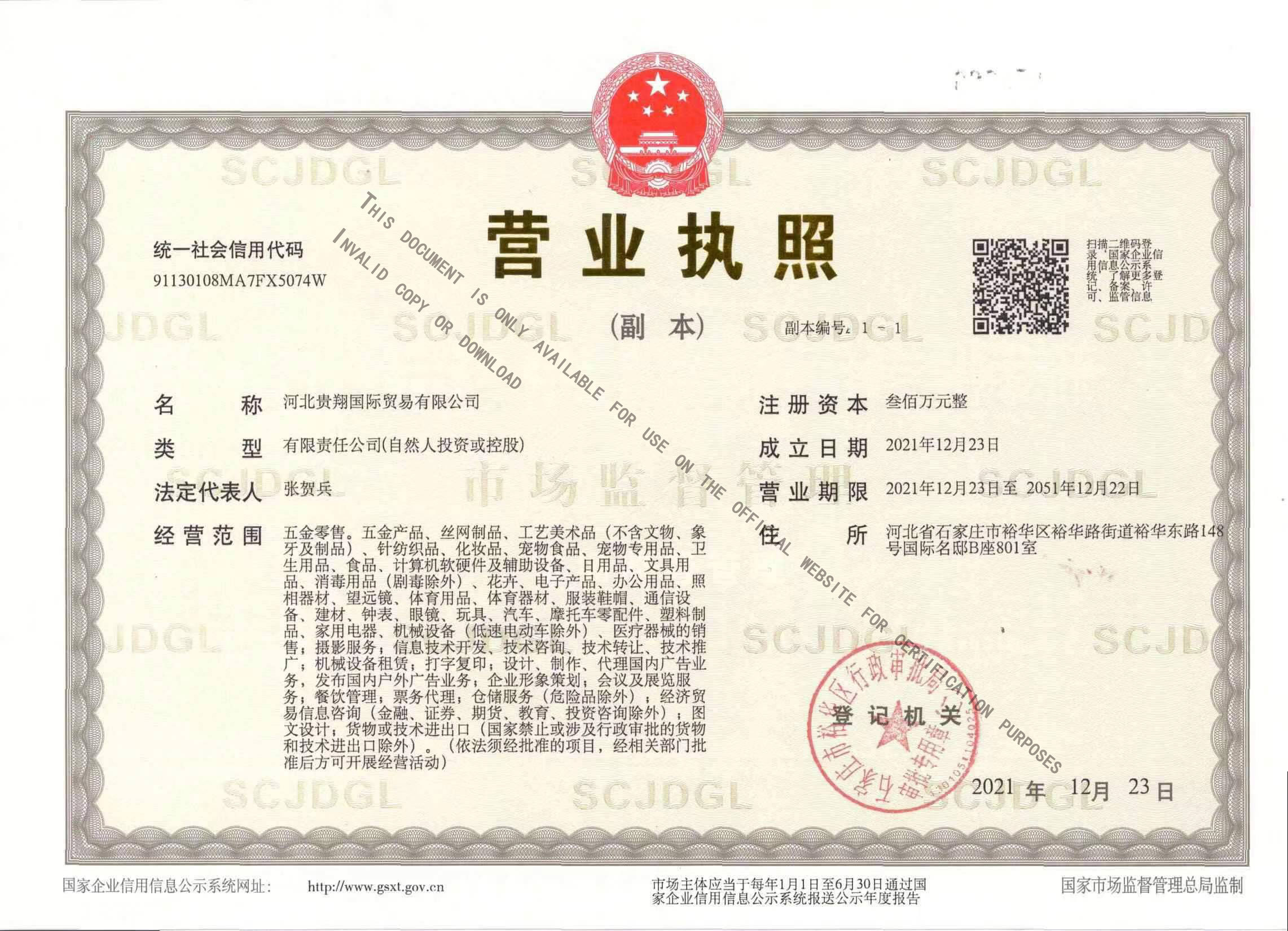
Hebei Guixiang International Trade Co., Ltd.
Add: Room 801, Building B, International Famous Residence, No. 148 Yuhua East Road
Zip code: 050000
Tel: +86-18331833286
Email: sales@gxwiremesh.com
Keywords: Welded Wire Mesh Supplier | Welded Wire Mesh Supplier | Welded Wire Mesh Supplier |
Welded Wire Mesh Supplier | Welded Wire Mesh Supplier
Wholesale Chain Link Fence | Wholesale Chain Link Fence | Wholesale Chain Link Fence |
Wholesale Chain Link Fence | Wholesale Chain Link Fence
Copyright © 2022 Hebei Guixiang International trade Ltd.
Powered by : 300.cn | SEO | City list | Business License