 Esperanto
 Shqiptare
 Euskara
 Zulu
Zulu
 Latinus
 Cymraeg
 தமிழ்
தமிழ்
 Slovak
 Slovak
 Afrikaans
产品中心
Razor barbed wire is a protective wire mesh product, often used in the field of security protection, especially in prisons, schools and other places that need to strictly control access. Its material is usually galvanized, which has good hardness and corrosion resistance to ensure the lasting use of the blade. The common model of razor barbed wire is BTO-22, which has a high security level and can effectively prevent the intrusion of criminals. The wire part of the blade is sharp and pointed, which can cause stinging pain to potential intruders and play a certain deterrent role.
Barbed wire is one of the most recognizable and effective perimeter security solutions in the world. But not all barbed wire is created equal. The difference between a cost-effective, long-lasting installation and a failing one comes down to the specifics: the core material, the coating, and the construction. Understanding these elements is crucial for anyone involved in agriculture, industrial security, or large-scale property management. So, how do you ensure you're selecting the right barbed wire for your project?
When people think of security fencing, the image of barbed wire is often the first that comes to mind. This classic material has been protecting boundaries for over a century, but its effectiveness is often taken for granted. The real question isn't whether barbed wire works, but whether you are using the right type for your specific needs. From the type of wire to its coating and installation, understanding the nuances of barbed wire is key to creating a formidable and long-lasting barrier.
When considering robust and cost-effective perimeter security, one solution consistently stands out: barbed wire. But with various types available, what specific advantages does double twist barbed wire offer that make it a premier choice for industrial, agricultural, and high-security applications? This article delves into the features, benefits, and technical details of this formidable fencing material.

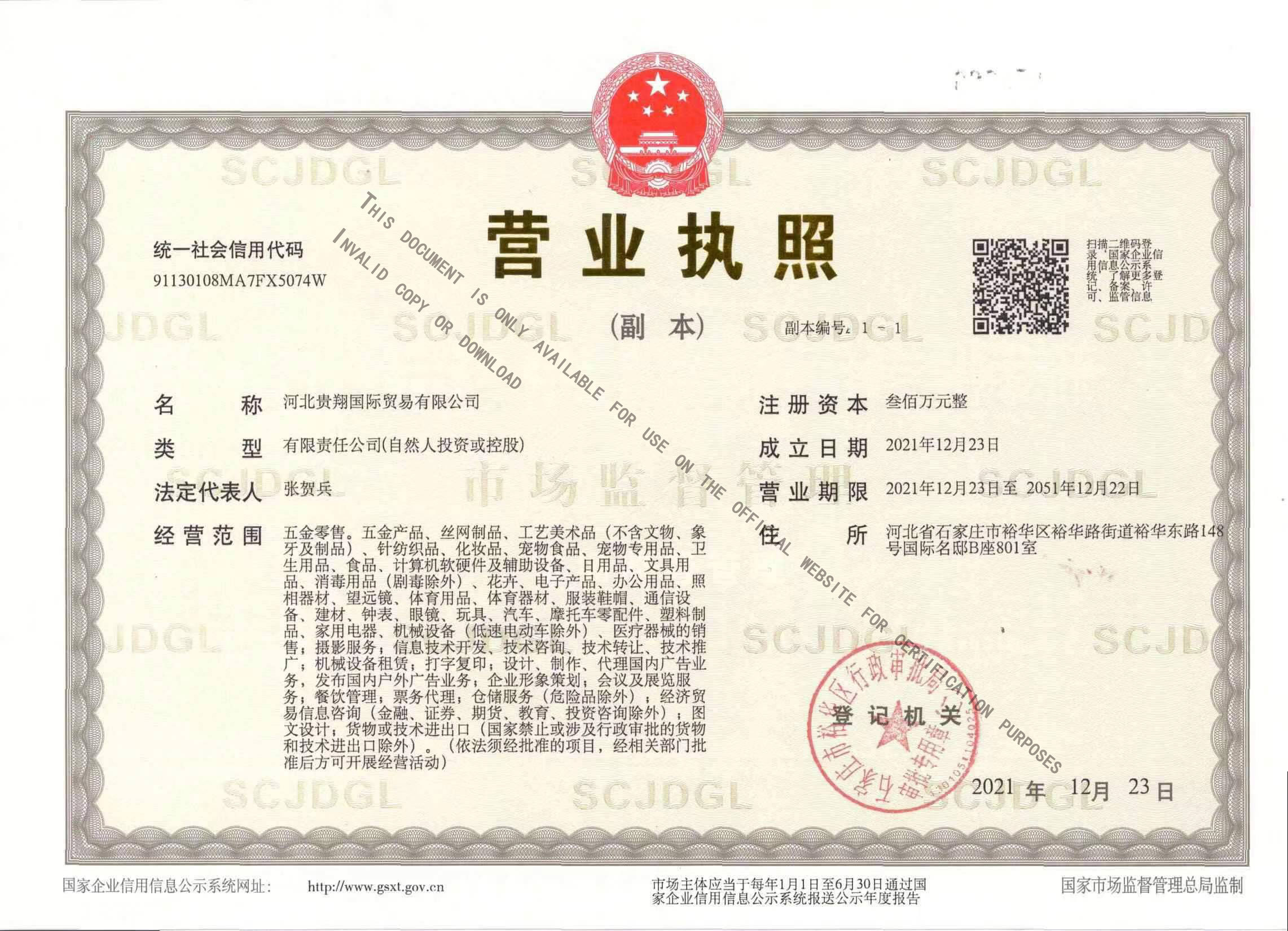
Hebei Guixiang International Trade Co., Ltd.
Add: Room 801, Building B, International Famous Residence, No. 148 Yuhua East Road
Zip code: 050000
Tel: +86-18331833286
Email: sales@gxwiremesh.com
Keywords: Welded Wire Mesh Supplier | Welded Wire Mesh Supplier | Welded Wire Mesh Supplier |
Welded Wire Mesh Supplier | Welded Wire Mesh Supplier
Wholesale Chain Link Fence | Wholesale Chain Link Fence | Wholesale Chain Link Fence |
Wholesale Chain Link Fence | Wholesale Chain Link Fence
Copyright © 2022 Hebei Guixiang International trade Ltd.
Powered by : 300.cn | SEO | City list | Business License