 Esperanto
 Shqiptare
 Euskara
 Zulu
Zulu
 Latinus
 Cymraeg
 தமிழ்
தமிழ்
 Slovak
 Slovak
 Afrikaans
产品中心
自贡Heavy-Duty Field Fence Masterclass: Durable, Rust-Resistant Woven Wire Solutions for Cattle, Horses & Crops – Expert Guide to Long-Lasting Agricultural & Livestock Fencing Systems
产品描述
When it comes to securing livestock, protecting crops, or defining property boundaries, field fences are a cornerstone of modern agriculture and land management. Built to withstand harsh weather, animal pressure, and long-term wear, these versatile barriers offer unmatched reliability. In this guide, we’ll explore their construction, applications, and key considerations for choosing the right field fence for your needs.

What is a Field Fence?
A field fence (also known as cattle fence, grassland fence, or agricultural wire mesh) is a heavy-duty fencing solution crafted from high-tensile carbon steel or zinc-aluminum alloy. Its primary purpose is to contain livestock—such as cattle, horses, sheep, and deer—while doubling as a protective barrier for farms, gardens, roads, and forests.
Key Specifications
Material: Industrial-grade carbon steel or corrosion-resistant zinc-aluminum alloy.
Surface Treatment: Hot-dip galvanized coating (standard) or PVC-coated options for extra rust protection.
Knot Types:
☞ Lock Knot: Interwoven wires for maximum rigidity.
☞ S-Knot: Flexible joints ideal for uneven terrain.
☞ Hinge Joint: Allows vertical movement, perfect for areas with shifting soil.

Sizes:
Why Choose Field Fence? 5 Critical Advantages
1. Unmatched Durability
Field fences are engineered to endure:
☀ Animal Impact: Withstands pressure from large livestock leaning or pushing.
☀ Weather Resistance: Galvanized coatings prevent rust in rain, snow, or humid climates.
☀ Long Lifespan: Lasts 15–20+ years with minimal upkeep.
2. Safety-First Design
Smooth Wires: Prevent cuts or injuries to animals.
Tension Control: Absorbs impact without collapsing.
3. Easy Installation & Maintenance
Prefabricated Panels: Bolt-ready sections reduce labor time.
Low Upkeep: No painting or staining required.
4. Flexible Adaptability
Terrain Versatility: Conforms to slopes, hills, and rocky ground.
Custom Heights: Ranges from 3–6 feet for calves, deer, or larger livestock.


5. Multi-Purpose Applications
♛ Livestock Containment: Securely corral cattle, horses, or goats.
♛ Predator Deterrence: Keep coyotes, wolves, and stray dogs at bay.
♛ Crop Protection: Shield gardens from deer and rabbits.
♛ Roadside Barriers: Prevent wildlife collisions.
Field Fence vs. Alternatives: Which is Best?
| Feature | Field Fence | Barbed Wire | Woven Wire |
|---|---|---|---|
| Safety | ✅ Smooth, injury-free | ❌ Risk of cuts | ✅ Moderate safety |
| Durability | ✅ 15–20+ years | ✅ 10–15 years | ❌ 8–12 years |
| Flexibility | ✅ Adapts to terrain | ❌ Rigid | ✅ Moderate |
| Cost | $$ (Mid-range) | $ (Budget-friendly) | $$$ (Premium) |
FAQs: Field Fence Essentials
Q: How tall should a field fence be for cattle?
A: For adult cattle, opt for 5–6 feet to prevent jumping. Calves require 4 feet with tighter mesh at the bottom.
Q: Can field fences be electrified?
A: Yes! Pair with a low-impedance energizer (1 joule per mile) for predator control or stubborn livestock.
Q: What’s the ideal post spacing?
A: Space posts 10–15 feet apart for stability. Use T-posts for affordability or wooden posts for added strength.
Q: How do I prevent ground corrosion?
A: Choose hot-dip galvanized or PVC-coated wire. Avoid direct soil contact by installing on a gravel base.
Q: Is field fence suitable for deer?
A: Yes—use 6–8-foot heights with hinge joints to absorb impact from jumping.
Conclusion
A field fence is a long-term investment in property security and livestock safety. By prioritizing galvanized materials, proper knot types, and terrain-specific designs, you can create a barrier that endures decades of use. Whether managing a ranch, protecting crops, or safeguarding roads, this versatile fencing solution delivers unmatched performance.
Need expert advice? Consult fencing specialists to customize your setup for maximum efficiency and cost savings.

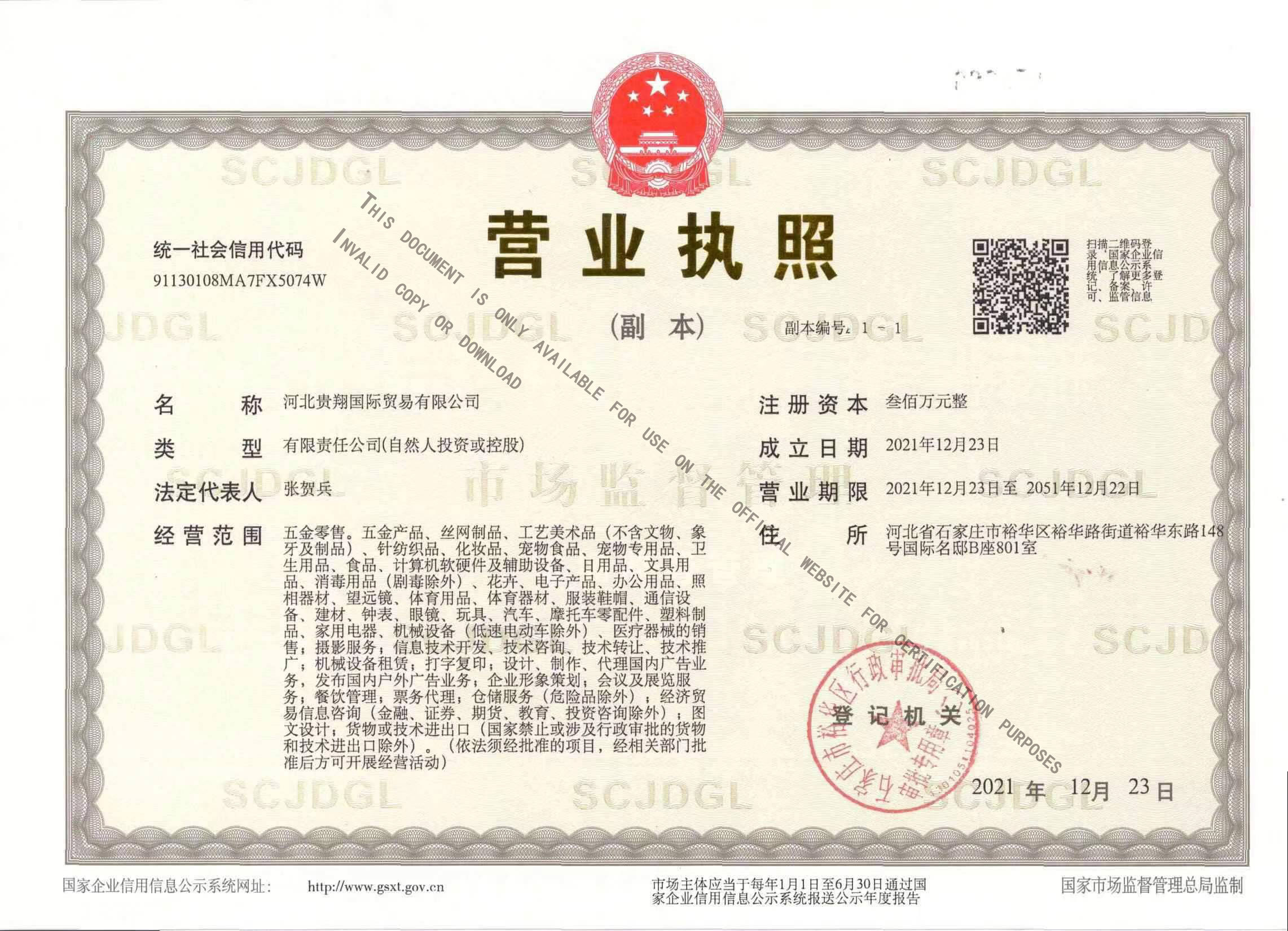
Hebei Guixiang International Trade Co., Ltd.
Add: Room 801, Building B, International Famous Residence, No. 148 Yuhua East Road
Zip code: 050000
Tel: +86-18331833286
Email: sales@gxwiremesh.com
Keywords: Welded Wire Mesh Supplier | Welded Wire Mesh Supplier | Welded Wire Mesh Supplier |
Welded Wire Mesh Supplier | Welded Wire Mesh Supplier
Wholesale Chain Link Fence | Wholesale Chain Link Fence | Wholesale Chain Link Fence |
Wholesale Chain Link Fence | Wholesale Chain Link Fence
Copyright © 2022 Hebei Guixiang International trade Ltd.
Powered by : 300.cn | SEO | City list | Business License