 Esperanto
 Shqiptare
 Euskara
 Zulu
Zulu
 Latinus
 Cymraeg
 தமிழ்
தமிழ்
 Slovak
 Slovak
 Afrikaans
产品中心
涿州Farm Field Cattle Horse Goat Deer Wire Mesh Fence Barrier Wholesale Sustainable Hot Dipped Galvanized Steel Livestock Fence
产品描述
What Makes Cattle Fence and Field Fence Essential for Modern Farming?
Choosing the right barrier for your livestock and land isn't just about containment; it's about safety, efficiency, and long-term value. Cattle fence and field fence, often used interchangeably to describe robust woven wire barriers, are fundamental tools for ranchers, farmers, and land managers. These specialized fences go beyond simple boundaries, offering durable, adaptable solutions for diverse agricultural and environmental needs. Understanding their construction, benefits, and ideal uses is key to making an informed decision for your property.

What Exactly Are Cattle Fence and Field Fence?
Cattle fence and field fence are types of high-tensile, woven wire mesh barriers primarily crafted from steel wire. The core function of this field fence is livestock management – effectively containing cattle, sheep, goats, and horses within designated pastures or excluding wildlife. Beyond animal control, this cattle fence serves crucial roles in ecological protection, preventing overgrazing in sensitive areas, demarcating farmland boundaries, securing sites, and even aiding in erosion control on slopes. A defining feature of quality cattle fence is its inherent resistance to the elements: windproof, rainproof, and, most critically, corrosion-resistant.
How Are Cattle Fence and Field Fence Constructed for Durability?
The longevity of cattle fence hinges on its materials and structure:
Galvanized Steel Wire: The primary material is steel wire, heavily protected against rust. High-quality field fence uses hot-dip galvanizing, where the wire is immersed in molten zinc. Standard coating weights range from 60-100 grams per square meter, soaring to 230 g/m² or more in corrosive, humid coastal regions. Some regions may utilize cold galvanizing (electro-galvanizing) as a cost-effective alternative, though hot-dip offers superior protection.
Robust Weaving: Horizontal wires (the "weft" or "line wires") bear significant tension, typically boasting tensile strengths of 80-90 kg. Vertical wires ("stay wires" or "pickets") provide structural stability with tensile strengths around 40-50 kg. This interwoven pattern creates a flexible yet incredibly strong mesh.
Corrugation (Key Feature): Many cattle fence designs incorporate corrugations (small bends) into the horizontal wires. This isn't just for show – it dramatically enhances the field fence's elasticity. It allows the fence to absorb impact (like livestock leaning or bumping) and flex under pressure without permanent deformation, especially vital in areas with significant temperature fluctuations causing ground movement.

What Key Features Make Cattle Fence the Superior Choice?
Investing in quality cattle fence or field fence pays off through distinct advantages:
Exceptional Corrosion Resistance: The heavy zinc coating (galvanization) is the first line of defense, drastically slowing oxidation and rust. This makes cattle fence suitable for harsh environments, including salty air near coasts and damp pastures, ensuring a service life measured in decades.
Strength Meets Flexibility: The combination of high-tensile steel wire and the corrugated weaving pattern creates a field fence that is incredibly strong yet forgiving. It can withstand significant pressure from large animals without snapping or losing its shape.
Simplified Installation: Manufactured in standard rolls, cattle fence is designed for relatively straightforward installation. Posts are set, and the fence is unrolled and secured, allowing for rapid deployment of large pasture boundaries. Pre-fabricated gates are readily available.
High Adaptability & Customization: While standard sizes are common (see table below), field fence is highly adaptable. Mesh width, height, wire gauge, and coating type can often be tailored to specific needs – whether it's containing small goats or creating a tall barrier for bulls.

Common Cattle Fence / Field Fence Dimensions:
| Feature | Standard Range | Customization Available? |
|---|---|---|
| Height | 0.6 meters - 2.5 meters | Yes |
| Length/Roll | 20 meters - 200 meters | Yes |
| Mesh Width | 50mm - 250mm | Yes |
| Wire Gauge | Varies (e.g., 12G-14G common) | Yes (Thicker/Thinner) |
Hinge Joint Field Fence Specifications
| Type | Vertical Spacing (mm) | Roll Weight (kg) | Wire Diameter (mm) | |
|---|---|---|---|---|
| Top/Bottom | Inner | |||
| 7/150/813/50 | 102, 114, 127, 140, 152, 178 | 19.3 | 2.5 | 2.0 |
| 8/150/813/50 | 89(75), 89, 102, 114, 127, 140, 152 | 20.8 | 2.5 | 2.0 |
| 8/150/902/50 | 89, 102, 114, 127, 140, 152, 178 | 21.6 | 2.5 | 2.0 |
| 8/150/1016/50 | 102, 114, 127, 140, 152, 178, 203 | 22.6 | 2.5 | 2.0 |
| 8/150/1143/50 | 114, 127, 140, 152, 178, 203, 229 | 23.6 | 2.5 | 2.0 |
| 9/150/991/50 | 89(75), 89, 102, 114, 127, 140, 152, 178 | 23.9 | 2.5 | 2.0 |
| 9/150/1245/50 | 102, 114, 127, 140, 152, 178, 203, 229 | 26.0 | 2.5 | 2.0 |
| 10/150/1194/50 | 89(75), 89, 102, 114, 127, 140, 152, 178, 203 | 27.3 | 2.5 | 2.0 |
| 10/150/1334/50 | 89, 102, 114, 127, 140, 152, 178, 203, 229 | 28.4 | 2.5 | 2.0 |
| 11/150/1422/50 | 89(75), 89, 102, 114, 127, 140, 152, 178, 203, 229 | 30.8 | 2.5 | 2.0 |

Supporting Infrastructure Specifications
| Component | Material | Dimensions |
|---|---|---|
| Corner/Gate Posts | Hot-rolled angle iron | 90×90×9mm × 2200mm |
| Line Posts | Equilateral angle iron | 40×40×4mm × 1900mm |
| Reinforcement Posts | Hot-rolled angle iron | 70×70×7mm × 2200mm |
Hanging Hole Spacing (Bottom to Top):
200mm → 220mm → 220mm → 180mm → 180mm → 150mm → 150mm
(8 holes total with progressive spacing)
Key Notes:
Vertical Spacing Notation:
Sequences list mesh openings from bottom to top (e.g., 102mm at ground level → 178mm at top)
89(75) = Optional tighter 75mm spacing for bottom row
Type Code Breakdown:
First number = Horizontal wire count
150 = Standard wire spacing (mm)
/813,/902,etc. = Total fence height (mm)
/50 = Roll length (meters)
Universal Wire Gauges:
2.5mm diameter for top/bottom tension wires
2.0mm diameter for vertical stay wires
All specifications comply with ISO agricultural fencing standards for livestock containment.

Where Should You Use Cattle Fence or Field Fence?
The versatility of cattle fence makes it indispensable across various settings:
Livestock Pastures & Paddocks: The primary use. Securely contains cattle, horses, sheep, goats, pigs, and other livestock within grazing areas. The smooth wire minimizes injury risk.
Field & Crop Protection: Acts as field fence to keep livestock out of sensitive crop fields, gardens, orchards, or newly planted areas, preventing trampling and grazing damage.
Boundary Demarcation: Clearly defines property lines, separates different land uses (e.g., pasture from woodland), or sections off areas within a larger farm.
Ecological Management: Protects sensitive habitats, riparian zones, or reforestation areas from livestock intrusion, promoting biodiversity and preventing erosion.
Deer & Wildlife Exclusion: While not always 100% effective for all wildlife, taller cattle fence variants can deter deer from entering gardens or young tree plantations.
Slope & Erosion Control: When staked properly on inclines, the mesh can help stabilize soil and prevent erosion.
Frequently Asked Questions About Cattle Fence and Field Fence
What's the main difference between field fence and barbed wire? While both are used for livestock, field fence (woven wire) provides a solid barrier that physically blocks animals and prevents smaller ones from squeezing through. Barbed wire acts more as a psychological barrier through pain. Cattle fence is generally safer and more effective for permanent pasture containment.
How long does a galvanized cattle fence last? A well-installed, hot-dip galvanized cattle fence can easily last 20-30 years or more, even in demanding environments, due to its superior corrosion resistance. Coating weight significantly impacts lifespan.
Can field fence be used for horses? Yes, specifically designed "horse fence" or "no-climb" variants of field fence (with smaller mesh openings at the bottom) are excellent and safer than traditional wire fencing, minimizing the risk of legs getting caught.
What type of posts work best with cattle fence? Treated wooden posts or sturdy steel T-posts are most common. Corner and end posts need to be particularly robust (e.g., larger diameter wood or driven steel) to handle the fence tension. Line posts are spaced based on terrain and fence height.
Is cattle fence difficult to install? While requiring physical effort, installing cattle fence is generally straightforward. It involves setting posts, unrolling the mesh, stretching it taut (using a fence stretcher), and securely attaching it to the posts. Proper tensioning is crucial. Many farmers and ranchers install it themselves.

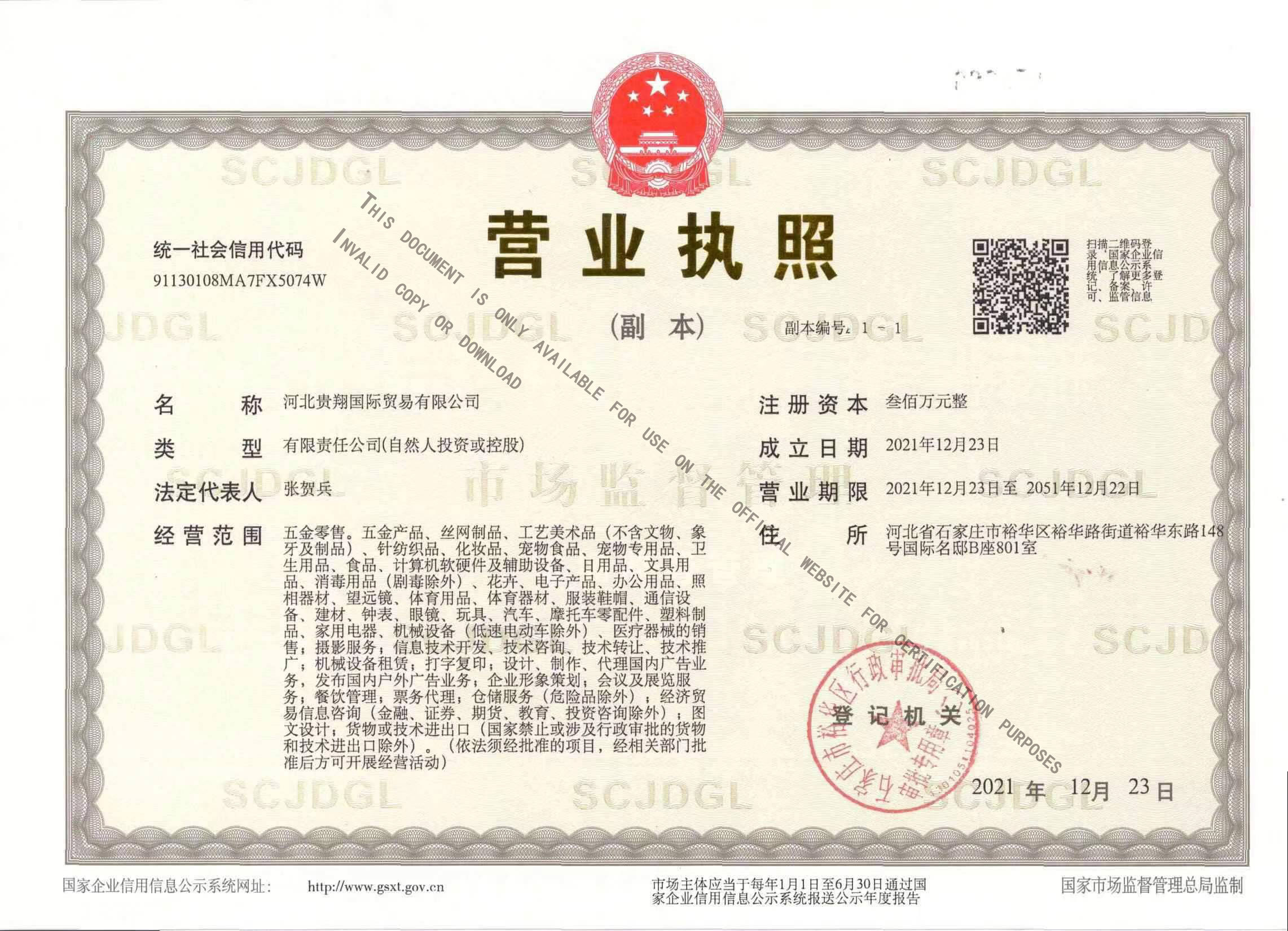
Hebei Guixiang International Trade Co., Ltd.
Add: Room 801, Building B, International Famous Residence, No. 148 Yuhua East Road
Zip code: 050000
Tel: +86-18331833286
Email: sales@gxwiremesh.com
Keywords: Welded Wire Mesh Supplier | Welded Wire Mesh Supplier | Welded Wire Mesh Supplier |
Welded Wire Mesh Supplier | Welded Wire Mesh Supplier
Wholesale Chain Link Fence | Wholesale Chain Link Fence | Wholesale Chain Link Fence |
Wholesale Chain Link Fence | Wholesale Chain Link Fence
Copyright © 2022 Hebei Guixiang International trade Ltd.
Powered by : 300.cn | SEO | City list | Business License