 Esperanto
 Shqiptare
 Euskara
 Zulu
Zulu
 Latinus
 Cymraeg
 தமிழ்
தமிழ்
 Slovak
 Slovak
 Afrikaans
产品中心
太仓Galvanized Barbed Wire and PVC Barbed Wire
产品描述
Barbed wire, with its imposing rows of sharp points, has long been a symbol of both protection and restriction. From sprawling ranches to high-security prisons, this versatile material has played a crucial role in shaping landscapes and safeguarding property. But beyond its familiar appearance lies a complex manufacturing process and a wide array of types, each designed for specific purposes. This article delves into the world of barbed wire, exploring its creation, various forms, and the key differences between popular options.

The Making of Barbed Wire
Barbed wire is a product of meticulous engineering and manufacturing. The process begins with the creation of steel ingots, the foundational blocks of the wire. These ingots are subjected to intense heat before being rolled into billets, which are then further processed into wire rods. To enhance its malleability, the wire undergoes annealing, a process involving heating it in a controlled environment.
Once annealed, the wire enters the galvanization stage, where it's coated with zinc for corrosion resistance. This crucial step prepares the wire for its transformation into barbed wire. Specialized machinery then weaves multiple wires together, creating a cable-like structure. Simultaneously, another wire is inserted and twisted around the cable, forming the distinctive barbs at specific intervals.

Types of Barbed Wire
Barbed wire comes in a variety of forms, each designed to meet specific needs. Let's explore some of the most common types.

Based on Twist
- Conventional Twist Barbed Wire: This is the most common type, featuring barbs twisted onto the main wire. It's versatile and widely used in various applications.
- Reverse Twist Barbed Wire: Unlike the conventional type, the barbs on this wire are twisted in the opposite direction, enhancing its durability and resistance to tampering.
Based on Material
- Galvanized Barbed Wire: Coated with zinc, this type offers excellent corrosion resistance, making it suitable for outdoor environments.
- PVC Coated Barbed Wire: This wire is encased in a PVC coating for added protection against rust and environmental factors. It also comes in various colors, making it a popular choice for aesthetic purposes.
- High Tensile Steel Barbed Wire: Known for its strength and durability, this type is ideal for high-security applications.
- Stainless Steel Barbed Wire: Offering superior corrosion resistance and longevity, stainless steel barbed wire is often used in demanding environments.
Based on Construction
- Single Strand Barbed Wire: This type consists of a single wire with barbs. It's commonly used for basic fencing applications.
- Double Strand Barbed Wire: Featuring two strands of wire with barbs twisted between them, this type provides increased security.
- Concertina Wire: Made from multiple strands of barbed wire coiled together, concertina wire creates a formidable barrier.
Based on Number of Points
- Single Barb Wire: Each section of wire has a single barb.
- Double Barb Wire: Each section of wire has two barbs.

PVC Coated Barbed Wire: A Closer Look
PVC coated barbed wire offers a unique blend of security and aesthetics. By encasing the traditional barbed wire in a protective PVC layer, manufacturers create a product that is both durable and visually appealing.
Advantages of PVC Coated Barbed Wire
- Corrosion Resistance: The PVC coating acts as a barrier, safeguarding the underlying steel from rust and oxidation. This extends the wire's lifespan significantly, especially in harsh weather conditions.
- Durability: The PVC layer adds an extra layer of protection against physical damage, making the wire more resistant to abrasion and impact.
- Aesthetics: Available in various colors, PVC coated barbed wire can be integrated into different environments without appearing overly harsh. It's often used in residential and commercial settings where appearance matters.
- Low Maintenance: Unlike galvanized barbed wire, which may require periodic maintenance to prevent rust, PVC coated wire generally requires minimal upkeep.
Typical Applications
Given its properties, PVC coated barbed wire is suitable for a wide range of applications:
- Residential fencing: To deter intruders while maintaining a visually pleasing appearance.
- Agricultural fencing: To protect livestock and crops while offering a longer lifespan compared to traditional barbed wire.
- Industrial and commercial areas: For perimeter security, where durability and aesthetics are important.
- Recreational areas: In parks and other public spaces, to deter trespassing while blending in with the surroundings.

Galvanized Barbed Wire: A Corrosion-Resistant Choice
Galvanized barbed wire is a staple in many fencing applications due to its exceptional durability and resistance to corrosion. The process of galvanization involves coating the steel wire with zinc, creating a protective barrier against the elements.
The Galvanization Process
To galvanize barbed wire, the steel wire is submerged in a molten zinc bath. The zinc adheres to the steel, forming a protective layer. This process is crucial in preventing rust, which can weaken the wire over time. The thickness of the zinc coating determines the wire's overall durability.
Advantages of Galvanized Barbed Wire
- Corrosion Resistance: The zinc coating provides excellent protection against rust, making it ideal for outdoor use in various climates.
- Durability: Galvanized barbed wire is known for its strength and longevity, making it suitable for demanding applications.
- Cost-Effective: Compared to some other types of barbed wire, galvanized wire is generally more affordable.
- Versatility: It can be used in a wide range of applications, from agriculture to security fencing.
Challenges and Considerations
While galvanized barbed wire offers many benefits, it's essential to consider its limitations:
- Visual Appearance: The galvanized finish may not be as aesthetically pleasing as PVC coated or other options.
- Potential for Zinc Loss: Over time, the zinc coating can degrade, especially in harsh environments, reducing the wire's corrosion resistance.

Specifications:
Common specifications for PVC coated, galvanized, and high-strength galvanized barbed wire typically include:
- Wire diameter: This refers to the thickness of the core wire.
- Barb spacing: The distance between the barbs on the wire.
- Barb size: The dimensions of the individual barbs.
- Wire length: The standard length of a roll of barbed wire.
- Coating thickness: For PVC coated and galvanized wire, this refers to the thickness of the protective coating.
- Tensile strength: Particularly important for high-strength galvanized wire, this measures the wire's resistance to breaking.



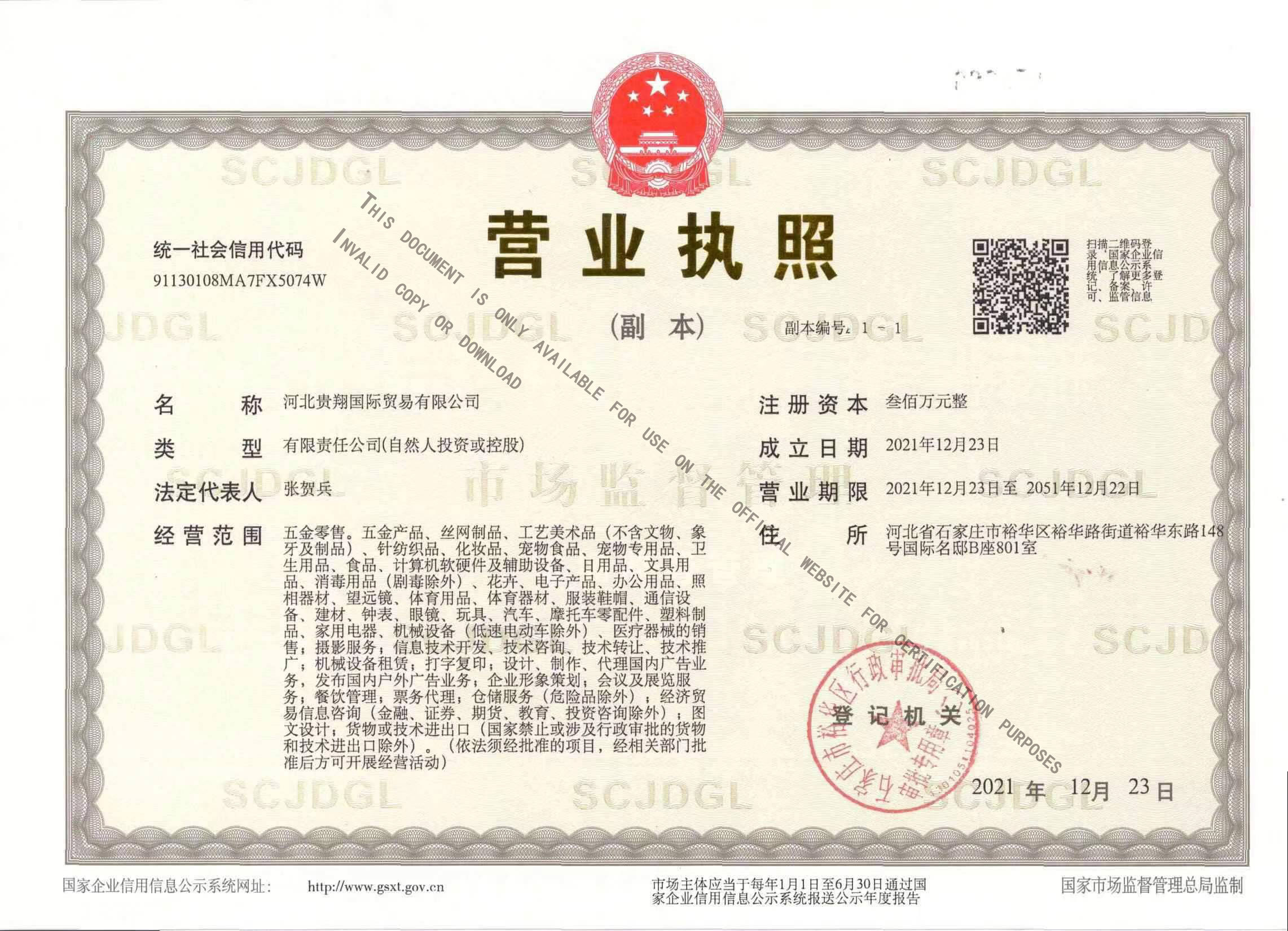
Hebei Guixiang International Trade Co., Ltd.
Add: Room 801, Building B, International Famous Residence, No. 148 Yuhua East Road
Zip code: 050000
Tel: +86-18331833286
Email: sales@gxwiremesh.com
Keywords: Welded Wire Mesh Supplier | Welded Wire Mesh Supplier | Welded Wire Mesh Supplier |
Welded Wire Mesh Supplier | Welded Wire Mesh Supplier
Wholesale Chain Link Fence | Wholesale Chain Link Fence | Wholesale Chain Link Fence |
Wholesale Chain Link Fence | Wholesale Chain Link Fence
Copyright © 2022 Hebei Guixiang International trade Ltd.
Powered by : 300.cn | SEO | City list | Business License