 Esperanto
 Shqiptare
 Euskara
 Zulu
Zulu
 Latinus
 Cymraeg
 தமிழ்
தமிழ்
 Slovak
 Slovak
 Afrikaans
产品中心
南阳High Tensile Galvanized Steel Double Twisted Farm Barbed Wire Rolls Barb Wire Fencing 10, 12, 12.5, 14, 15, 18, 20 Gauge
产品描述
What Should You Know Before Choosing Barbed Wire?
Barbed wire is one of the most recognizable and effective perimeter security solutions in the world. But not all barbed wire is created equal. The difference between a cost-effective, long-lasting installation and a failing one comes down to the specifics: the core material, the coating, and the construction. Understanding these elements is crucial for anyone involved in agriculture, industrial security, or large-scale property management. So, how do you ensure you're selecting the right barbed wire for your project?


What Materials Are Used in Barbed Wire Construction?
The core material of the wire dictates its fundamental strength and longevity. There are three primary grades of steel wire used in the manufacture of barbed wire, each with distinct advantages.
Low Carbon Steel Wire is the most common and economical choice. It is sufficient for a wide range of applications, particularly in agricultural fencing where extreme tension isn't the primary concern. To prevent rust, this type of barbed wire must receive a protective zinc coating. Its tensile strength typically ranges from 350 to 500 N/mm².
High Tensile Steel Wire is the stronger option, designed for demanding applications. It offers superior tensile strength, between 1100 and 1800 N/mm², which allows for greater spacing between fencing posts, reducing the overall number of posts needed. Like low carbon steel, high tensile barbed wire requires galvanization to resist corrosion caused by the atmosphere.
Stainless Steel Wire represents the highest performance tier. It boasts the greatest strength, hardness, and inherent resistance to corrosion without requiring any additional surface treatment. This makes it the ideal choice for highly corrosive environments, such as coastal areas or chemical plants, though it comes at a higher initial cost.
Barbed Wire Specification
Why is Anti-Corrosion Treatment Non-Negotiable?
For barbed wire made from low carbon or high tensile steel, a zinc coating is not an option—it's a necessity. This galvanization process is what protects the wire from oxidation and dramatically extends its service life. However, not all galvanizing is the same.
Electro-Galvanizing is a process where a thin layer of zinc is applied via electrolysis. It offers a basic level of protection with a low zinc content of around 15 grams per square meter (g/m²). While cost-effective, electro-galvanized barbed wire has a shorter service life and is less suitable for harsh environments.
Hot-Dip Galvanizing is the far superior method. The wire is submerged in a bath of molten zinc, creating a much thicker, more robust coating. There are two common levels:
Normal Zinc: Approximately 40 g/m². This offers good protection for general use.
High Zinc: Ranging from 200 to 300 g/m². This provides exceptional corrosion resistance and is highly recommended for long-term outdoor exposure. The principle is simple: the higher the zinc content, the stronger the corrosion resistance and the longer the lifespan of the barbed wire.
How Do Specifications Impact Your Project?
Choosing the right barbed wire involves matching its specifications to your project's demands. Key factors include the gauge (thickness) of the wire, the twist type (single or double strand), and the barb spacing. A common customization is using different materials for the line wire and the barb wire to optimize costs without sacrificing critical performance.
| Specification | Standard Grade | High-Security Grade | Notes |
|---|---|---|---|
| Core Material | Low Carbon Steel | High Tensile or Stainless Steel | Determines overall strength and tension. |
| Zinc Coating | Electro-Galvanized (15 g/m²) | Hot-Dip Galvanized - High Zinc (200-300 g/m²) | Directly correlates to corrosion resistance. |
| Tensile Strength | 350-500 N/mm² | 1100-1800 N/mm²+ | Higher strength allows for wider post spacing. |
| Common Use | Agricultural Fencing, Land Boundaries | Perimeter Security, Correctional Facilities, Industrial Sites | Matches performance to application need. |
Frequently Asked Questions
Can I get custom branding on the barbed wire packaging?
Yes, many manufacturers offer this service. Custom labels or branding on each roll of barbed wire packaging can help promote your company's brand awareness if you are a distributor or installer.
What's the difference between wholesale and project-specific pricing?
Professional manufacturers calculate cost based on your volume and specific usage needs. Wholesale buyers typically get a better price per unit for large orders, while a project-specific quote might include recommendations on the best type of barbed wire for your unique application.
Is stainless steel barbed wire worth the higher cost?
It depends entirely on the environment. For standard inland applications, hot-dip galvanized barbed wire is more than adequate. For installations near saltwater or in areas with high pollution, the investment in stainless steel can be worthwhile as it eliminates rust concerns entirely and has the longest service life.
How is barbed wire typically sold?
Barbed wire is almost always sold in rolls. The standard length can vary, but common rolls are 400 meters or 1320 feet long. Custom roll lengths are often available to suit specific project requirements.

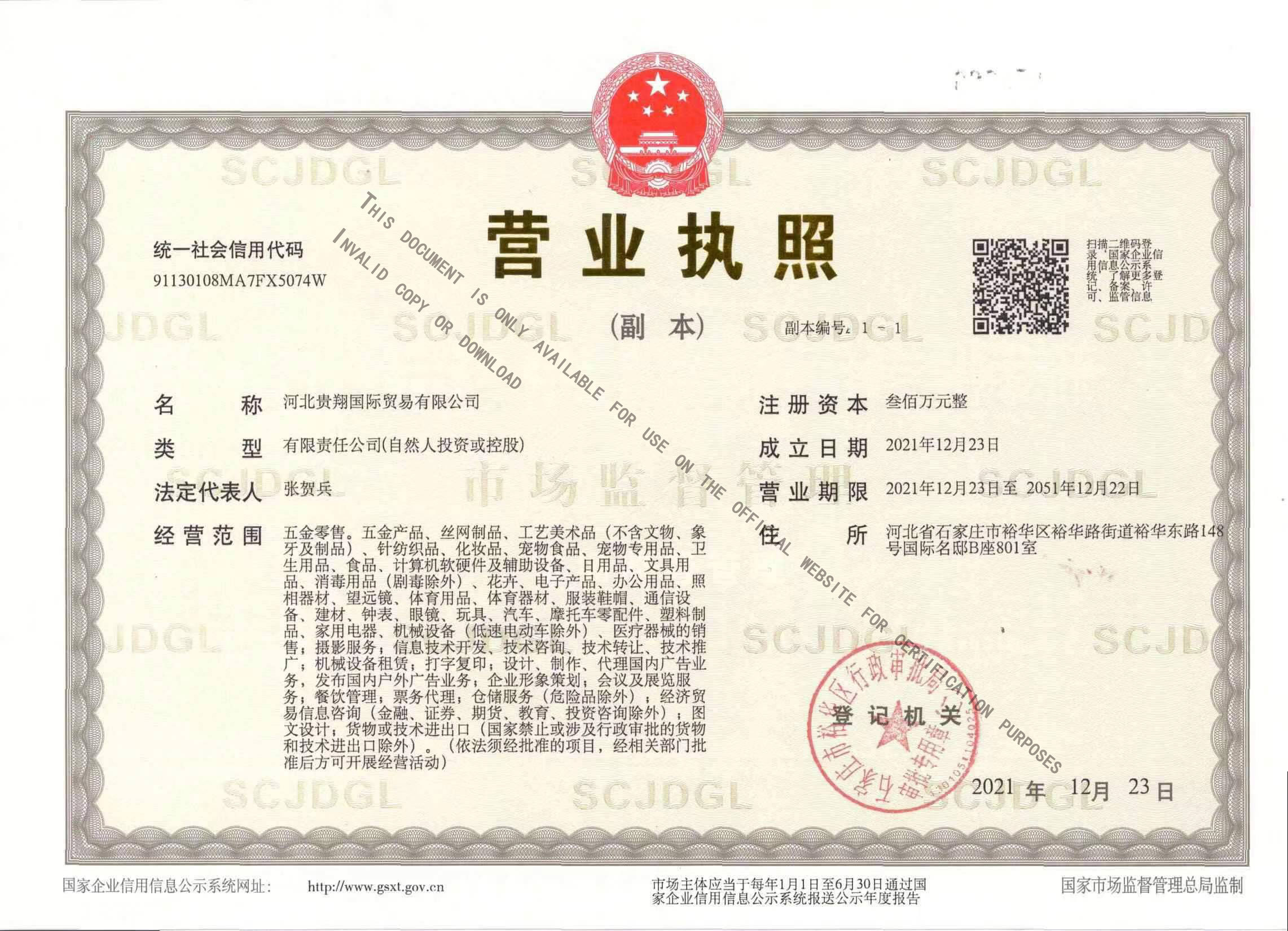
Hebei Guixiang International Trade Co., Ltd.
Add: Room 801, Building B, International Famous Residence, No. 148 Yuhua East Road
Zip code: 050000
Tel: +86-18331833286
Email: sales@gxwiremesh.com
Keywords: Welded Wire Mesh Supplier | Welded Wire Mesh Supplier | Welded Wire Mesh Supplier |
Welded Wire Mesh Supplier | Welded Wire Mesh Supplier
Wholesale Chain Link Fence | Wholesale Chain Link Fence | Wholesale Chain Link Fence |
Wholesale Chain Link Fence | Wholesale Chain Link Fence
Copyright © 2022 Hebei Guixiang International trade Ltd.
Powered by : 300.cn | SEO | City list | Business License