 Esperanto
 Shqiptare
 Euskara
 Zulu
Zulu
 Latinus
 Cymraeg
 தமிழ்
தமிழ்
 Slovak
 Slovak
 Afrikaans
产品中心
蒙自Steel Grating
★ Key Features:
✔ Light Weight and High Strength: Easy to handle and install while providing robust support.
✔Large Bearing Capacity: Can support heavy loads, making it ideal for industrial use.
✔ Ventilation and Light Transmission: Allows air and light to pass through, maintaining a bright and airy environment.
✔ Modern Style and Appearance: Adds a contemporary look to any structure.
✔ Non-Slip and Safe: Reduces the risk of accidents in high-traffic areas.
✔ Durable and Easy to Maintain: Long-lasting with minimal upkeep required.
Steel grating is an excellent choice for projects that require a combination of strength, safety, and aesthetic appeal.
类别:
产品描述
Strong and Versatile: Steel Grating for Many Applications
Steel grating is a robust building material formed by interlocking flat steel bars. These bars create a open grid pattern that provides both strength and drainage.
There are two main types of steel grating based on surface finish:
◆ Smooth Steel Grating: This offers a flat, even surface for walking or rolling loads.
◆ Serrated Steel Grating: This type has teeth or grooves on the top surface to improve slip resistance, particularly in wet or oily conditions.
Due to its durability and versatility, steel grating is a popular choice for a wide range of applications including:
◆ Walkways and platforms in industrial facilities
◆ Drainage grates for channels and trenches
◆ Stair treads
◆ Security fencing
◆ Mezzanines
How to Make Steel Grating:
Making steel grating is a complex process that requires specialized equipment and expertise. It's not recommended for a DIY project due to safety concerns and the difficulty of achieving a strong, consistent product.
Here's a breakdown of the manufacturing methods for steel grating:
-
Welding: This is the most common method. Steel bars are laid out in a grid pattern and then welded at the intersections. This creates a strong and secure connection.
-
Pressure Locking: Pre-punched bars are inserted into each other and then hydraulically compressed to form a tight joint. This method is faster than welding and can produce smoother finishes.
-
Swaging: Similar to pressure locking, bars are inserted into pre-punched holes, but a swaging machine then deforms the receiving bar to lock the joint. This method is often used for aluminum and stainless steel gratings.
-
Riveting: Heavy-duty gratings can be made by riveting the bars together. This method is particularly strong and can handle high impact loads.
Here are some alternatives to consider if you need steel grating for a project:
- Purchasing pre-made steel grating: Many companies sell steel grating in various sizes, materials, and bar spacing. This is the easiest and safest option for most projects.
- Hiring a metal fabrication shop: If you need a custom-sized or shaped steel grating, you can contact a metal fabrication shop. They will have the equipment and expertise to create the grating according to your specifications.
We recommend searching online for steel grating suppliers or metal fabrication shops in your area. They can provide you with more information and pricing options.
Steel Grating Specifications:



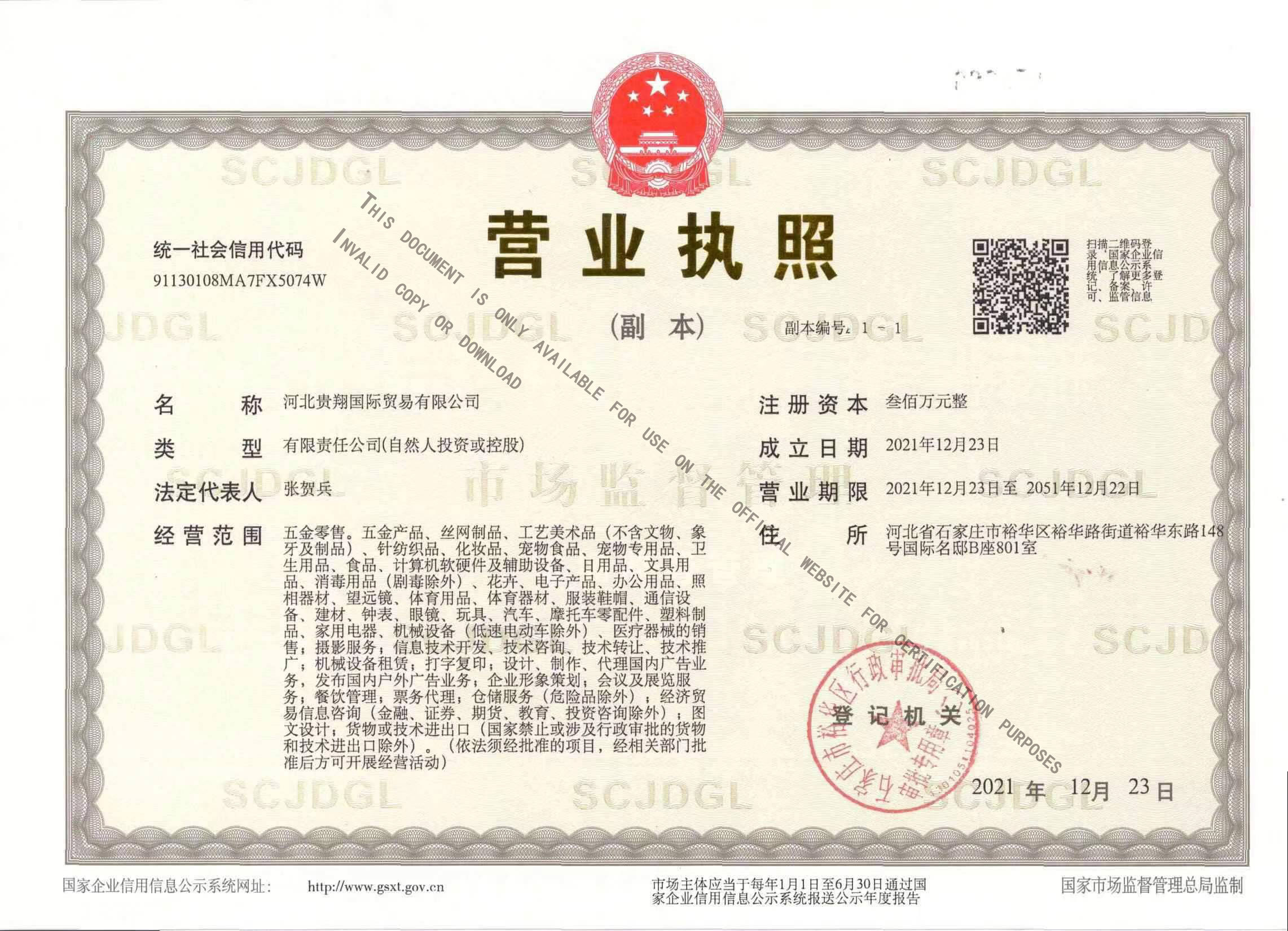
Hebei Guixiang International Trade Co., Ltd.
Add: Room 801, Building B, International Famous Residence, No. 148 Yuhua East Road
Zip code: 050000
Tel: +86-18331833286
Email: sales@gxwiremesh.com
Keywords: Welded Wire Mesh Supplier | Welded Wire Mesh Supplier | Welded Wire Mesh Supplier |
Welded Wire Mesh Supplier | Welded Wire Mesh Supplier
Wholesale Chain Link Fence | Wholesale Chain Link Fence | Wholesale Chain Link Fence |
Wholesale Chain Link Fence | Wholesale Chain Link Fence
Copyright © 2022 Hebei Guixiang International trade Ltd.
Powered by : 300.cn | SEO | City list | Business License